

Progressive Overload Training Benefits for Women: Science-Based Results
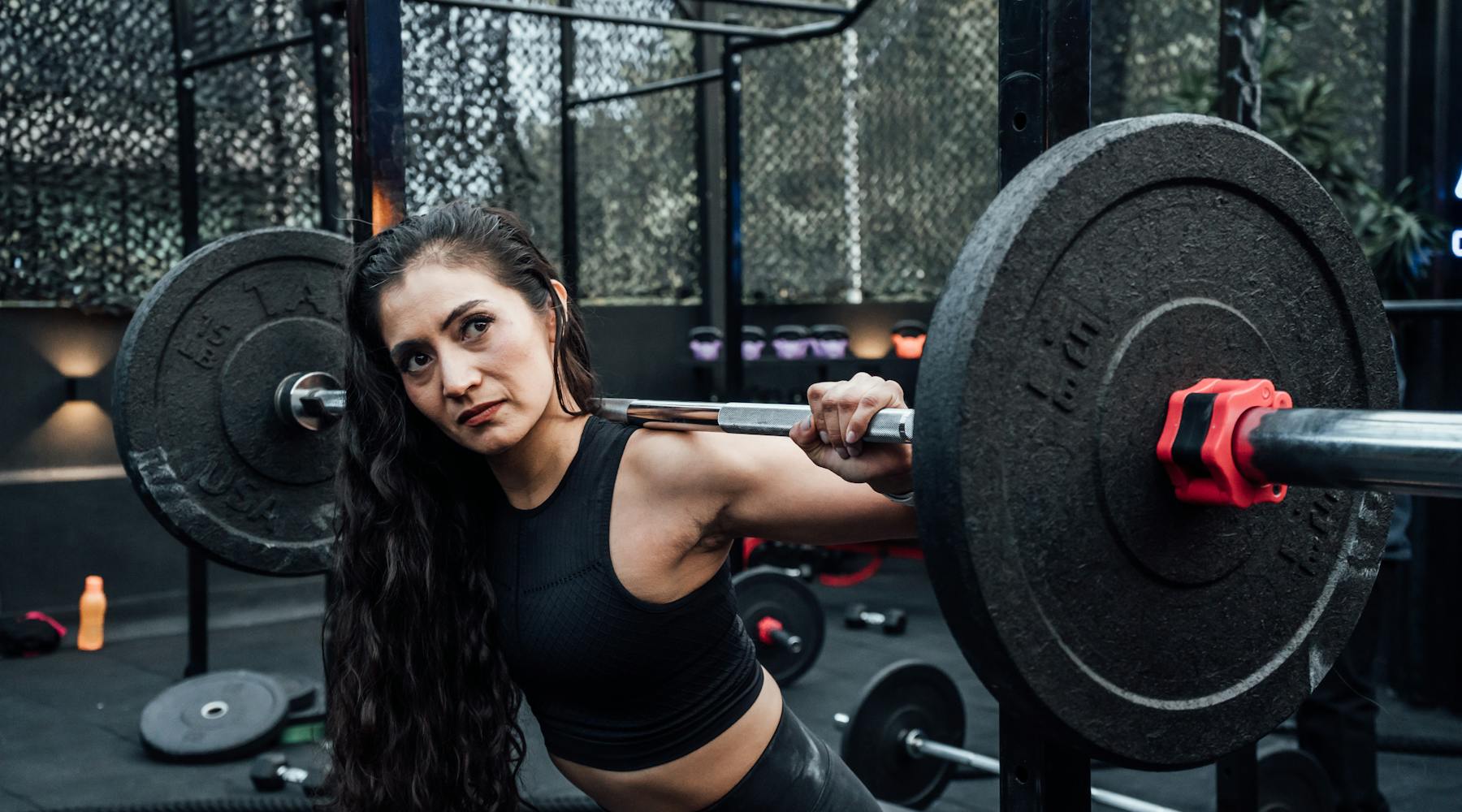
Progressive overload training transforms how women build strength, muscle and athletic performance, yet many still approach their workouts with the same weights and reps week after week. This fundamental training principle, which involves gradually increasing the demands placed on your muscles over time, delivers measurable results that go far beyond what static routines can achieve. Understanding how to properly implement progressive overload can revolutionise your training outcomes and help you break through plateaus that have kept you stuck.
Whether you're lifting in the gym, attending CrossFit classes or following structured strength programmes, progressive overload forms the foundation of every successful training plan. The principle works by continuously challenging your body's adaptive capacity, forcing it to grow stronger, more powerful and more resilient with each training cycle.
Understanding Progressive Overload for Female Athletes

Progressive overload operates on the principle that your body adapts to the specific demands you place upon it. When you consistently challenge your muscles beyond their current capacity, they respond by growing stronger and more efficient. This adaptation occurs through several mechanisms: increased muscle fibre recruitment, improved neuromuscular coordination and enhanced energy system capacity.
For women, this principle works identically to men, despite persistent myths suggesting otherwise. Your muscles respond to progressive stress regardless of hormonal differences, though the rate and manner of adaptation may vary slightly. Research consistently demonstrates that women can achieve significant strength gains, muscle development and performance improvements through properly structured progressive overload programmes.
The key lies in understanding that overload can be achieved through multiple variables: increasing weight, adding repetitions, including additional sets, reducing rest periods, improving range of motion or enhancing movement quality. This flexibility allows you to continue progressing even when external constraints limit certain approaches.
Physiological Benefits of Progressive Training
Muscle Development and Strength Gains
Progressive overload stimulates muscle protein synthesis, the process by which your body repairs and builds muscle tissue. Each training session creates microscopic damage to muscle fibres, and the subsequent repair process builds them back stronger and larger. This adaptation requires consistent progressive stimulus to continue.
Women often worry about developing excessive muscle mass, but this concern is largely unfounded. Female muscle development typically results in lean, defined muscles rather than bulky mass due to lower testosterone levels. Progressive overload helps you build the exact type of physique most women desire: strong, toned and athletic.
Bone Density Improvements
Weight-bearing exercise with progressive overload significantly increases bone mineral density, particularly important for women who face higher osteoporosis risk later in life. The mechanical stress placed on bones during resistance training stimulates bone-forming cells, creating stronger, denser skeletal structures.
This benefit proves especially valuable for women in their twenties, as peak bone mass typically occurs during this decade. Building maximum bone density early provides crucial protection against age-related bone loss decades later.
Metabolic Enhancements
Progressive resistance training elevates your metabolic rate both during and after exercise. The increased muscle mass developed through progressive overload burns more calories at rest, contributing to improved body composition and easier weight management.
Additionally, the recovery process following challenging workouts increases energy expenditure for hours post-exercise, known as excess post-exercise oxygen consumption (EPOC). This metabolic boost compounds over time as your training capacity increases.
Performance Benefits Across Training Modalities
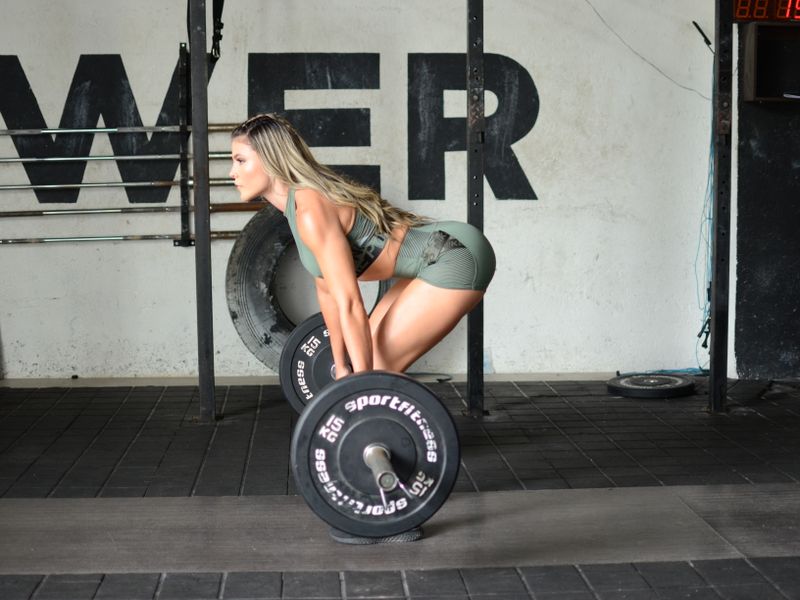
Progressive overload principles apply across every form of training women typically engage with. In strength training, this might mean adding weight to your squats or deadlifts weekly. For runners, it could involve gradually increasing weekly mileage or incorporating faster interval sessions. CrossFit athletes might focus on improving workout times or scaling up movement difficulty.
The beauty of progressive overload lies in its adaptability to your specific goals and training preferences. A powerlifter progresses differently than a yoga practitioner, but both can apply overload principles to achieve continuous improvement in their chosen discipline.
Sport-Specific Applications
Team sport athletes benefit enormously from progressive overload training during off-season preparation. Gradually increasing training loads builds the strength, power and endurance capacity needed to excel during competitive seasons while reducing injury risk.
Individual sport athletes can use progressive overload to target specific performance metrics. A tennis player might progressively increase medicine ball throw distances to develop serving power, while a swimmer could gradually reduce rest intervals in sprint sets to improve race pace maintenance.
Psychological and Confidence Benefits
Progressive overload training provides measurable feedback that builds genuine confidence. Tracking improvements in weight lifted, repetitions completed or workout times creates concrete evidence of your growing capabilities. This tangible progress proves far more motivating than subjective measures alone.
The goal-setting nature of progressive training also develops mental resilience. Each small progression requires you to push beyond your comfort zone, building psychological strength alongside physical capacity. This mental toughness transfers to other areas of life, creating a positive cycle of achievement and confidence.
Women often report increased body confidence as they witness their strength improvements. Focusing on performance rather than purely aesthetic goals shifts your relationship with your body from critical to appreciative, recognising what it can accomplish rather than fixating on appearance alone.
Implementing Progressive Overload Safely
Successful progressive overload requires systematic planning rather than random increases in training intensity. Start by establishing baseline measurements for your key exercises or performance metrics. Track these consistently to monitor progress and identify when progressions are appropriate.
Increase training loads gradually, typically by 2.5-10% when you can complete all prescribed repetitions with proper form. For strength training, this might mean adding 1.25-2.5kg to upper body exercises or 2.5-5kg to lower body movements. For endurance activities, increase duration or intensity by no more than 10% weekly.
Listen to your body's adaptation signals. Excessive fatigue, declining performance or persistent soreness suggests you may be progressing too aggressively. Recovery forms an integral part of the overload process, allowing adaptations to occur between training sessions.
Periodisation and Recovery
Smart progressive overload incorporates planned recovery periods and variation in training stimulus. Linear progression works initially, but intermediate and advanced trainees benefit from periodised approaches that vary intensity and volume over time.
Consider implementing deload weeks every fourth or sixth week, reducing training loads by 30-50% to allow full recovery and adaptation. These planned recovery periods prevent overtraining while maintaining the progressive stimulus your body needs to continue adapting.
Common Progressive Overload Mistakes
Many women make the mistake of progressing too quickly, leading to poor form, increased injury risk or training plateaus. Patience with the process yields better long-term results than aggressive progression that cannot be sustained.
Another common error involves focusing solely on adding weight while ignoring other progression methods. When you cannot increase load, consider adding repetitions, improving range of motion or reducing rest periods between sets.
Inconsistency in training also undermines progressive overload effectiveness. Sporadic training sessions prevent the systematic adaptation that makes this principle so powerful. Consistency in both training frequency and progressive application produces the best results.
Frequently Asked Questions
How quickly should women expect to see results from progressive overload training?
Most women notice strength improvements within 2-4 weeks of consistent progressive overload training, with visible muscle changes typically appearing after 6-8 weeks. Individual results vary based on training history, genetics, nutrition and recovery quality. Beginners often see faster initial progress than experienced trainees.
Can progressive overload work for women who want to tone rather than build muscle?
Progressive overload is essential for muscle toning, as 'toned' muscles are simply well-developed muscles with low body fat. You cannot effectively tone muscles without progressively challenging them. The key lies in combining progressive resistance training with appropriate nutrition to achieve the lean, defined look most women desire.
What happens if I miss training sessions while following a progressive overload programme?
Occasional missed sessions do not derail progressive overload programmes, but consistency matters for optimal results. If you miss a week or more, consider repeating your previous training loads rather than continuing the planned progression. This approach maintains safety while allowing you to rebuild momentum.
How do I know when to increase weights or reps in my progressive overload routine?
Increase training loads when you can complete all prescribed repetitions with proper form and feel you could perform 1-2 additional reps. This typically occurs every 1-2 weeks for beginners and every 2-4 weeks for more experienced trainees. Focus on quality over quantity in your progressions.
Is progressive overload training safe for women with no previous lifting experience?
Progressive overload is safe for beginners when implemented gradually with proper form instruction. Start with bodyweight exercises or light weights to master movement patterns before adding significant load. Consider working with a qualified trainer initially to ensure proper technique and appropriate progression rates.
Can I apply progressive overload principles to cardio workouts and HIIT sessions?
Absolutely. Cardio progressive overload involves gradually increasing duration, intensity or frequency of sessions. For HIIT workouts, you might reduce rest periods, increase work intervals or add more challenging exercises. The key is systematically increasing the demands placed on your cardiovascular system over time.
Do I need to track every workout to make progressive overload work effectively?
While detailed tracking accelerates progress, you do not need to record every single metric. Focus on tracking key exercises or performance indicators that align with your goals. Even basic notes about weights used and repetitions completed provide sufficient information to guide appropriate progressions.
Photos provided by Pexels.
Please note: The content on The Playbook is for general information and education only and is not medical advice. V3 Apparel are not doctors, physiotherapists or registered nutritionists. Always speak to a qualified healthcare professional before changing your diet, exercise routine or lifestyle, especially if you have a health condition or injury, or are pregnant or postnatal. You exercise at your own risk: stop straight away if you feel pain, dizziness or discomfort. Results vary from person to person and aren't guaranteed. As far as the law allows, V3 Apparel accepts no liability for any injury, loss or damage arising from the use of this content. We're not responsible for the content of third-party websites we link to. Some links may be affiliate links, which means V3 Apparel may earn a commission on purchases made through them, at no extra cost to you.