
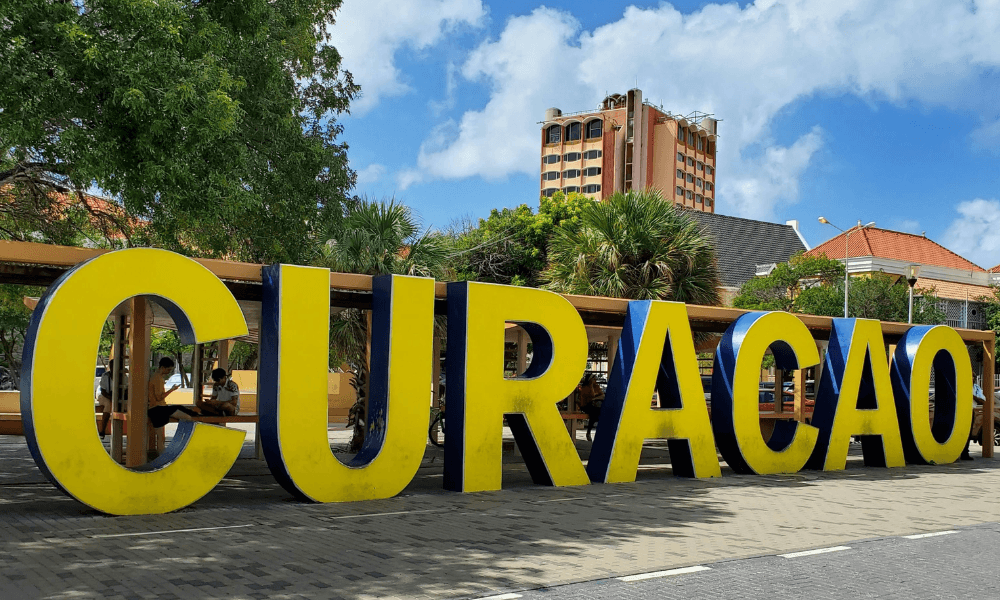
How to Train Like the Blue Wave: Curaçao's Island Conditioning and the Science of the World Cup's Smallest Ever Nation
Curaçao's qualification for the 2026 FIFA World Cup is, by a significant margin, the most remarkable underdog story in tournament history. With a population of roughly 156,000 people, the Caribbean island has become the smallest nation ever to qualify for a men's World Cup, a statistic that makes the Blue Wave's achievement genuinely unprecedented. Curaçao's fitness culture is shaped by Caribbean island life, a multicultural population drawing on Dutch, African and Latin American heritage, and a footballing development pathway that has leaned heavily on a talented diaspora to compete with nations many hundreds of times its size. The science behind how a population smaller than a single mid-sized town produced a World Cup squad is genuinely fascinating.

Island Conditioning: Small Population, Concentrated Talent Development
Curaçao's extraordinary qualification reflects a development model increasingly studied in sports science: the diaspora pathway. A significant proportion of Curaçao's squad developed in Dutch professional academies, drawing on the island's historical ties to the Netherlands, before choosing to represent their Caribbean heritage nation internationally. This model concentrates world-class coaching, facilities and competitive exposure onto a small pool of eligible players, producing development outcomes that domestic infrastructure alone could never achieve at this population scale.
Research on small-nation talent pathways found that countries leveraging diaspora development networks produced disproportionately higher rates of professional-level athletes per capita than equivalent-sized nations relying solely on domestic academy systems, confirming that population size is a far weaker predictor of athletic output than access to elite development infrastructure, wherever that infrastructure happens to be located.

Caribbean Heat and Trade Wind Training
Curaçao's climate, consistently warm year-round with steady trade winds moderating the heat, creates a training environment distinct from the high-humidity conditions found elsewhere in the Caribbean. The island's relatively low rainfall and consistent breeze produce more favourable outdoor training conditions than many tropical environments, while still demanding the heat adaptation responses, expanded plasma volume and efficient sweat response, documented throughout this series for warm-climate athletic populations.
Open water swimming and beach-based conditioning are deeply embedded in Curaçao's coastal culture, delivering the combined cardiovascular and resistance benefits of training against current and wave resistance that this series has established repeatedly as a uniquely complete fitness stimulus.

What to Wear for Curaçao-Inspired Training
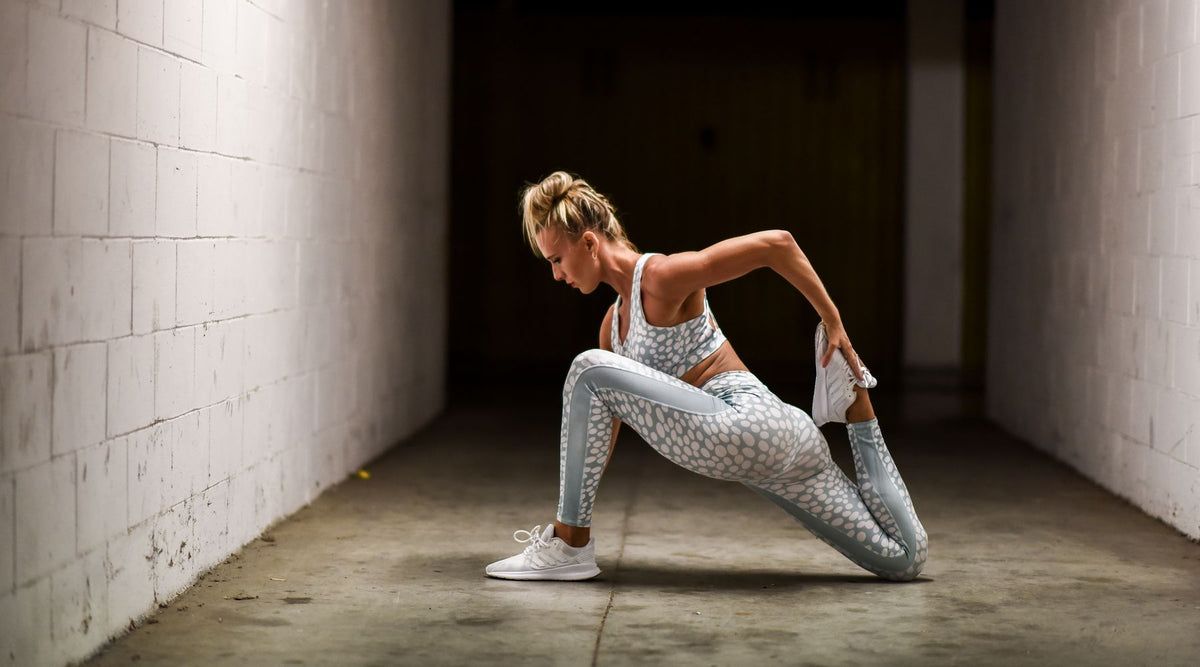
Warm-climate outdoor training and beach conditioning demand activewear that manages consistent heat exposure while remaining secure through dynamic coastal movement.
V3 Apparel's biker shorts provide the breathable compression suited to Curaçao's warm, trade-wind climate, while V3's high-impact sports bras deliver the support needed for beach-based and open water conditioning.
Size Is Not Destiny
Curaçao's qualification is the single most powerful underdog statement this entire series has produced. A nation smaller than many city neighbourhoods reached the world's biggest sporting stage by maximising every available resource and refusing to accept that scale determines ceiling. Whatever your starting point, the lesson is identical: development access matters more than the size of your population, your gym, or your starting resources.
Explore V3 Apparel's shorts collection for the warm-weather training support every ambitious session deserves.