
Zone 2 Training: The Game-Changing Cardio Method Every Woman Should Try
Zone 2 heart rate training has quietly become the most talked-about cardio method in fitness circles, and for good reason. This low-intensity approach to cardiovascular exercise is revolutionising how women approach their fitness goals, moving away from the punishing high-intensity workouts that dominated the last decade. Zone 2 training focuses on exercising at 60-70% of your maximum heart rate, a pace where you can still hold a conversation but feel like you're working.
Unlike the crash-and-burn mentality of extreme cardio sessions, Zone 2 training builds sustainable fitness from the ground up. It targets your aerobic base, improves fat oxidation and enhances metabolic flexibility without the stress and recovery demands of constant high-intensity work. For women juggling demanding schedules, hormonal fluctuations and multiple training goals, this method offers a smarter way to build cardiovascular fitness that actually supports rather than sabotages your other training efforts.
What Is Zone 2 Heart Rate Training?

Zone 2 training refers to exercising within a specific heart rate range that corresponds to your aerobic threshold. This is the intensity where your body primarily burns fat for fuel and can sustain the effort for extended periods without accumulating significant lactate in your muscles.
To find your Zone 2 heart rate, you need to calculate 60-70% of your maximum heart rate. A simple formula uses 220 minus your age, though this can vary significantly between individuals. For a 25-year-old woman, this would mean a Zone 2 range of approximately 117-137 beats per minute. However, the most reliable method is using a lactate threshold test or working with the talk test: you should be able to speak in full sentences but not sing.
The magic of Zone 2 training lies in what happens at the cellular level. At this intensity, your mitochondria – the powerhouses of your cells – become more efficient at using oxygen to produce energy. This adaptation improves your overall metabolic health, making you better at burning fat not just during exercise, but throughout the day.
The Science Behind Zone 2 Training for Women
Metabolic Flexibility and Fat Oxidation
Zone 2 training specifically targets your body's ability to efficiently switch between fuel sources. When you exercise in this zone, you're training your muscles to become better at using fat for energy rather than relying solely on glucose. This metabolic flexibility is particularly beneficial for women, who naturally have a greater capacity for fat oxidation than men.
Research shows that consistent Zone 2 training can increase the number and efficiency of mitochondria in your muscle cells. More mitochondria mean better oxygen utilisation and improved endurance capacity. This adaptation occurs gradually over weeks and months, making Zone 2 training a long-term investment in your metabolic health.
Hormonal Benefits for Women
Unlike high-intensity exercise, which can elevate cortisol levels and potentially disrupt hormonal balance, Zone 2 training supports healthy hormone function. This lower-stress approach to cardio doesn't trigger the same inflammatory response as intense workouts, making it particularly valuable for women dealing with hormonal imbalances, irregular cycles or high life stress.
Zone 2 training can also improve insulin sensitivity, helping your body manage blood sugar more effectively. This benefit extends beyond exercise performance to overall health, potentially reducing the risk of metabolic disorders and supporting healthy weight management.
How to Implement Zone 2 Training
Getting Started
Begin with 20-30 minute sessions 2-3 times per week. This might feel frustratingly easy at first, especially if you're used to high-intensity workouts. The key is consistency and patience – the adaptations from Zone 2 training develop slowly but create lasting improvements.
Choose activities you enjoy and can sustain for longer periods. Brisk walking on an incline, steady cycling, swimming, or using the elliptical all work well. The specific exercise matters less than maintaining the correct intensity throughout the session.
Monitoring Your Intensity
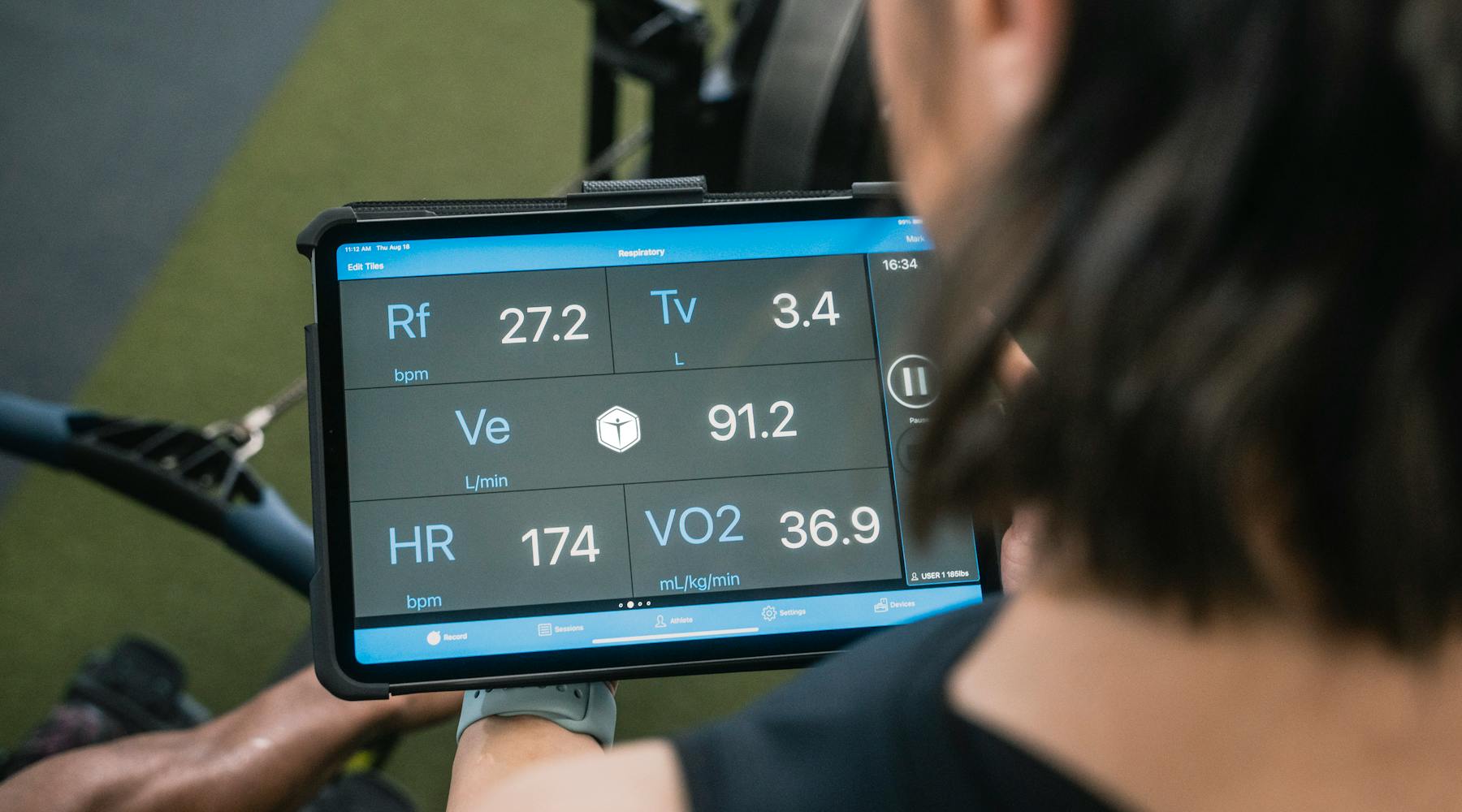
A heart rate monitor is essential for accurate Zone 2 training. Wrist-based monitors can be sufficient for most people, though chest straps provide more accurate readings. Watch for heart rate drift – the tendency for your heart rate to gradually increase even when maintaining the same pace. This is normal and indicates your body is working to maintain the effort.
The talk test remains your backup method. You should be able to have a conversation throughout your Zone 2 session, though you wouldn't want to give a presentation. If you're breathing too hard to speak comfortably, you've moved into Zone 3 territory.
Progression and Periodisation
Start conservatively and build volume before intensity. Increase session duration by 5-10 minutes every two weeks until you can comfortably maintain 45-60 minutes of Zone 2 work. Most recreational athletes benefit from 2-4 Zone 2 sessions per week, depending on their other training commitments.
Combining Zone 2 Training with Other Exercise
Strength Training Integration
Zone 2 training complements strength training beautifully. The improved recovery capacity and enhanced fat oxidation support your lifting goals without interfering with muscle growth or strength gains. Schedule Zone 2 sessions on separate days from heavy lifting, or use them as extended warm-ups or cool-downs.
READY TO TRAIN IN STYLE?
Explore V3 Apparel's seamless activewear, designed for serious athletes and built to perform.
SHOP NOWMany women find that adding Zone 2 training actually improves their strength training performance by enhancing recovery between sets and sessions. The improved cardiovascular base means you spend less time breathless during compound movements and recover more quickly between training days.
High-Intensity Work
Zone 2 training provides the aerobic base that makes high-intensity intervals more effective. Think of it as building the engine that powers your sprints. A strong aerobic foundation allows you to recover more quickly between intervals and maintain quality throughout high-intensity sessions.
The 80/20 rule applies here: roughly 80% of your cardio should be easy Zone 2 work, with 20% in higher intensity zones. This polarised approach prevents the moderate-intensity trap where you're working too hard to gain Zone 2 benefits but not hard enough for significant high-intensity adaptations.
Common Zone 2 Training Mistakes
Going Too Hard
The biggest mistake is pushing the intensity too high. Zone 3 training – that moderately hard pace that feels like you're working but isn't quite high-intensity – provides fewer benefits than either easy Zone 2 work or proper high-intensity efforts. Stay disciplined about keeping the pace conversational.
Many women struggle with the mental challenge of going slower. If you're used to leaving every workout feeling destroyed, Zone 2 training can feel unproductive. Trust the process and remember that the adaptations happen during recovery, not during the stress of the workout itself.
Expecting Quick Results
Zone 2 adaptations take time – typically 6-12 weeks before you notice significant improvements in efficiency and endurance. Unlike high-intensity training, which can provide immediate feedback through fatigue and elevated heart rate, Zone 2 benefits accumulate gradually.
Track your progress through metrics like heart rate drift during sessions, resting heart rate and how you feel during daily activities. Many women notice they can climb stairs or walk uphill without getting breathless before they see obvious improvements in their Zone 2 sessions.
Zone 2 Training Throughout Your Cycle
Your menstrual cycle affects your response to different types of exercise, and Zone 2 training can be particularly valuable during certain phases. During the luteal phase (post-ovulation), when progesterone is elevated and high-intensity exercise may feel more challenging, Zone 2 work provides an effective training stimulus without excessive stress.
Many women find that Zone 2 training feels more natural during the first half of their cycle when oestrogen is rising. Use this time to build volume and establish your Zone 2 base. During the second half of your cycle, maintain your Zone 2 work but don't expect the same ease or immediate energy that you might experience in the follicular phase.
Real-World Applications and Benefits
Daily Life Improvements
The benefits of Zone 2 training extend far beyond structured exercise sessions. Women consistently report improvements in daily energy levels, better sleep quality and reduced fatigue during routine activities. The enhanced fat oxidation means more stable energy throughout the day, with fewer dramatic energy crashes.
For busy women, Zone 2 training provides an efficient way to maintain and improve fitness without the recovery demands of high-intensity work. You can complete a Zone 2 session and still have energy for work, family and other commitments.
Long-term Health Benefits
Regular Zone 2 training supports cardiovascular health, metabolic function and longevity. The improved mitochondrial function has implications for healthy ageing, while the enhanced insulin sensitivity supports metabolic health throughout life.
For women concerned about bone health, weight-bearing Zone 2 activities like incline walking provide cardiovascular benefits while supporting bone density. This makes it an excellent choice for women of all ages looking to maintain long-term health and function.
Frequently Asked Questions
How long should I do Zone 2 training before seeing results?
Most women notice initial improvements within 4-6 weeks, though significant metabolic adaptations typically take 8-12 weeks of consistent training. Early benefits often include better sleep, more stable energy levels and improved recovery from other workouts.
Can I do Zone 2 training every day?
Yes, Zone 2 training is low-stress enough to perform daily if desired. However, most women benefit from 3-5 sessions per week, allowing time for strength training and higher-intensity work while maintaining a sustainable routine.
What heart rate monitor is best for Zone 2 training?
A basic chest strap monitor provides the most accurate readings, though modern wrist-based monitors from brands like Garmin, Polar or Apple are sufficient for most Zone 2 training. The key is consistency in measurement rather than perfect accuracy.
Is Zone 2 training effective for weight loss?
Zone 2 training improves your body's ability to burn fat for fuel and can support weight loss as part of an overall programme. However, weight loss primarily depends on creating a caloric deficit through diet and exercise combined.
Can I listen to music or podcasts during Zone 2 training?
Absolutely. Zone 2 training should be comfortable enough that you can listen to podcasts, audiobooks or music without difficulty. Many women use this time for learning or entertainment, making the sessions more enjoyable and sustainable.
How does Zone 2 training compare to steady-state cardio?
Zone 2 training is a specific type of steady-state cardio defined by heart rate rather than perceived effort. Traditional steady-state cardio might be performed at various intensities, while Zone 2 targets the specific heart rate range that maximises aerobic adaptations.
Should I stop Zone 2 training if I feel tired during my session?
Zone 2 training should feel sustainable throughout the session. If you feel unusually fatigued, it may indicate you're working too hard, haven't recovered from previous training or need rest. Lower the intensity or shorten the session rather than pushing through excessive fatigue.
Can Zone 2 training replace high-intensity workouts completely?
While Zone 2 training provides excellent benefits, a well-rounded fitness programme typically includes some higher-intensity work for optimal cardiovascular and metabolic adaptations. Zone 2 should form the foundation, with high-intensity work added strategically.
Photos provided by Pexels.
Please note: The content on The Playbook is for general information and education only and is not medical advice. V3 Apparel are not doctors, physiotherapists or registered nutritionists. Always speak to a qualified healthcare professional before changing your diet, exercise routine or lifestyle, especially if you have a health condition or injury, or are pregnant or postnatal. You exercise at your own risk: stop straight away if you feel pain, dizziness or discomfort. Results vary from person to person and aren't guaranteed. As far as the law allows, V3 Apparel accepts no liability for any injury, loss or damage arising from the use of this content. We're not responsible for the content of third-party websites we link to. Some links may be affiliate links, which means V3 Apparel may earn a commission on purchases made through them, at no extra cost to you.