
Train Like Morocco: Desert Endurance, Heat Adaptation and the Science of Training in Extreme Conditions
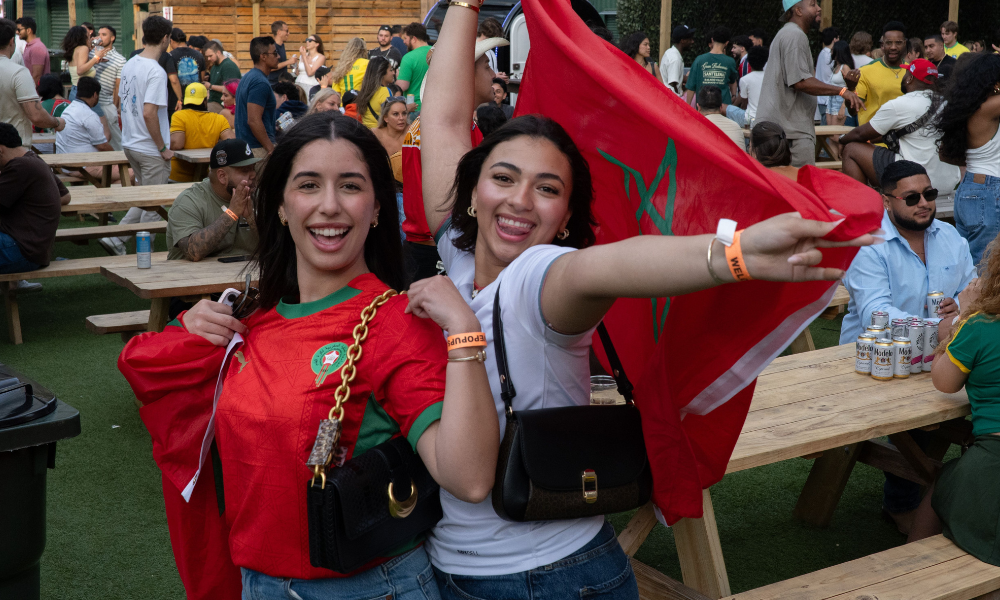
Morocco made history at the 2022 FIFA World Cup, becoming the first African nation to reach the semi-finals and capturing the imagination of a global audience with a combination of defensive organisation, collective spirit and extraordinary physical endurance. As the Atlas Lions return for 2026, Morocco's fitness culture offers a fascinating lens through which to explore one of exercise science's most compelling frontiers: the physiology of heat adaptation and the extraordinary endurance capacity developed through training in extreme desert conditions. What the science reveals about Moroccan athletic development is as impressive as the team's historic tournament run.

Heat Adaptation: The Physiological Superpower of Desert Training
Morocco's climate ranges from Mediterranean coastal conditions in the north to the extreme heat of the Sahara in the south, with summer temperatures in interior cities like Marrakech regularly exceeding 40 degrees Celsius. Training in sustained heat produces a distinctive set of physiological adaptations that exercise scientists now recognise as one of the most powerful performance-enhancing protocols available and one that requires no pharmaceutical intervention whatsoever.
Heat acclimatisation over 10 to 14 days of training in elevated temperatures produces measurable improvements in plasma volume, cardiac output, sweat rate efficiency and thermoregulatory capacity. A landmark study published in the Journal of Applied Physiology found that heat training produced performance improvements equivalent to altitude training in terms of VO2 max gains, with the additional benefit of increased red blood cell volume that enhances oxygen delivery to working muscles. Athletes who trained in heat conditions then competed in temperate environments demonstrated a 5 to 8 percent improvement in endurance performance compared to their pre-heat-training baseline.
For everyday exercisers, this translates into a practical principle: occasionally training in warmer conditions, whether outdoors in summer heat or in a heated studio, produces genuine cardiovascular adaptations that cooler-environment training does not stimulate to the same degree.

The Atlas Mountains: Altitude and Endurance Heritage
Morocco's Atlas Mountains, which reach over 4,000 metres at Jebel Toubkal, provide a high-altitude training environment that Moroccan distance runners have exploited for generations. Morocco has produced world-class middle and long-distance runners throughout its athletic history and the altitude advantage of the Atlas is a significant contributing factor.
Altitude training reduces the partial pressure of oxygen, compelling the body to produce additional red blood cells and increase erythropoietin production to compensate. When athletes return to sea level, this enhanced oxygen-carrying capacity translates directly into improved endurance performance. Research confirms that three to four weeks of live-high, train-low altitude protocols produce 1 to 3 percent improvements in endurance performance at sea level, a margin that separates podium finishers from also-rans at elite level and represents a meaningful gain for recreational athletes.
Moroccan Movement Culture: The Physical Demands of Daily Life
In Morocco's traditional medinas, the ancient walled city centres of Fez, Marrakech and Meknes, daily life involves extraordinary amounts of incidental physical activity. Navigating narrow, uneven alleys on foot, carrying market goods, climbing staircases and moving through dense urban environments creates a baseline activity level that modern sedentary lifestyles have almost entirely eliminated. This incidental movement contributes meaningfully to the non-exercise activity thermogenesis that researchers identify as a primary driver of metabolic health differences between populations.

Moroccan Hammam Culture: Heat, Steam and Recovery
The traditional Moroccan hammam, a public bathhouse combining dry heat, steam and vigorous massage, is one of the oldest recovery rituals in the world and one that modern sports science increasingly validates. The heat exposure component raises core body temperature and increases circulation, while the kessa scrubbing and savon beldi black soap treatment removes dead skin and stimulates lymphatic drainage. Steam exposure has been shown to reduce muscle tension, improve respiratory function and significantly lower perceived stress through activation of the parasympathetic nervous system.
Contemporary research on passive heat therapy published in Temperature journal found that regular sauna or heat bath exposure produced cardiovascular adaptations similar to moderate exercise, reduced inflammatory markers and improved sleep quality. Morocco's hammam tradition has been delivering these benefits as a weekly cultural ritual for centuries.
What to Wear for Heat and Endurance Training
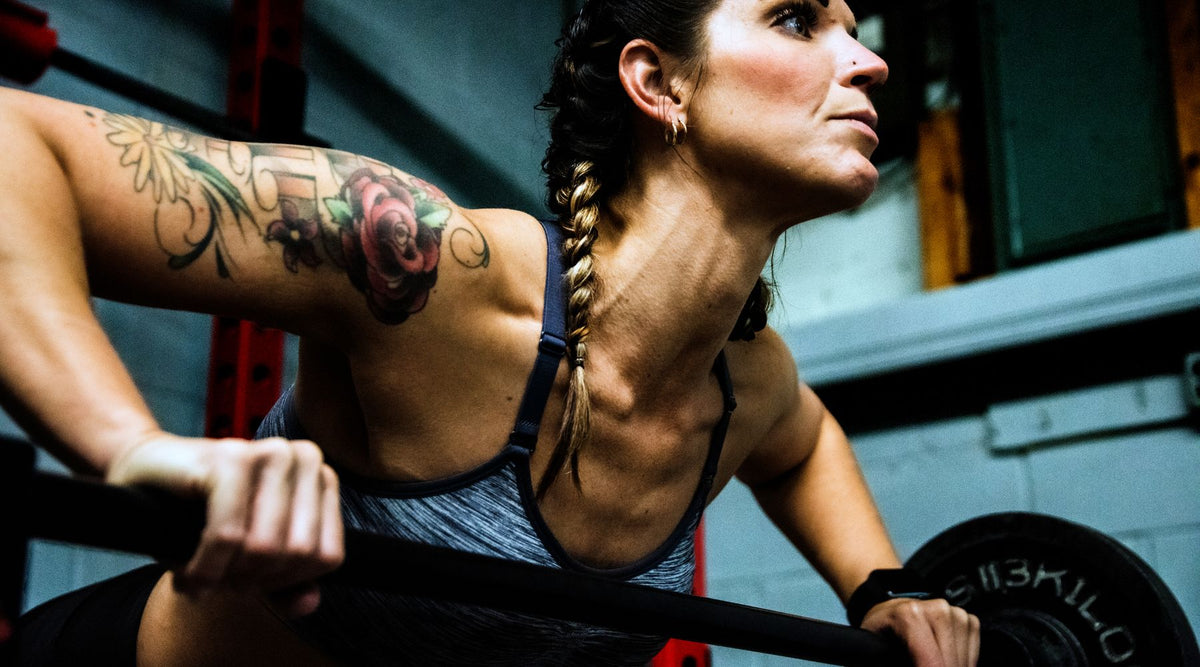
Training in heat demands activewear that manages sweat aggressively, allows maximum airflow and sits close to the body without trapping heat. Lightweight, breathable fabrics with rapid moisture-wicking properties are essential and minimal coverage maximises the body's natural cooling mechanisms.
V3 Apparel's biker shorts paired with a high-impact sports bra offer the minimal, breathable coverage that heat training demands while maintaining the compression and support that endurance sessions require. For longer outdoor endurance sessions in variable conditions, V3's 7/8 leggings in lightweight seamless fabric provide coverage with maximum breathability.
Collective Spirit as a Performance Variable
Morocco's 2022 World Cup run was defined as much by collective spirit and team cohesion as by physical performance. Exercise science has quantified this effect: research published in the Journal of Sport and Exercise Psychology found that team cohesion scores were among the strongest predictors of collective performance outcomes, independent of individual physical capacity. The sense of shared purpose that Morocco's squad demonstrated is not just inspiring. It is a measurable performance advantage.
Train for the Elements, Build Endurance That Lasts
Morocco's Atlas Lions have shown that physical endurance, collective spirit and tactical intelligence can overcome almost any opponent. Whether you are exploring heat training, building your aerobic base through endurance work or incorporating a heat recovery ritual into your post-session routine, the Moroccan approach to fitness offers a powerful and culturally rich blueprint for athletic development.
Explore V3 Apparel's breathable shorts and activewear for every endurance session ahead.