
Iron Deficiency: Why It's Destroying Your Training
Iron Deficiency in Active Women: The Hidden Performance Killer
If your training has felt harder than it should, your recovery is dragging and no amount of sleep seems to fix the fatigue, iron deficiency might be the reason. It is one of the most common and most overlooked nutritional issues affecting active women in the UK and a June 2026 systematic review and meta-analysis published in Sports Medicine has reinforced just how significantly low iron status undermines athletic performance, even before anaemia develops. Understanding what iron deficiency actually does to your body, how to identify it and what to do about it could be the difference between plateauing and performing at the level you are genuinely capable of.
What Iron Deficiency Actually Does to Your Body
Iron is not just a mineral you hear about in passing. It plays a central role in oxygen transport, energy metabolism and muscle function. The majority of iron in the body is found in haemoglobin, the protein in red blood cells responsible for carrying oxygen from your lungs to your working muscles. When iron levels fall, your cells receive less oxygen and every single aspect of physical performance begins to suffer.
What makes iron deficiency particularly difficult to catch early is that it exists on a spectrum. Full iron deficiency anaemia, the stage most people recognise, is the endpoint. But long before you reach that point, a state called iron deficiency without anaemia can already be causing significant impairment. Your haemoglobin levels might look acceptable on a basic blood test while your ferritin, the storage form of iron, is already depleted. This is the stage where athletes often feel inexplicably awful and are told everything looks fine.
The Physical Effects You Will Actually Notice
- Persistent fatigue that does not resolve with rest
- Decreased aerobic capacity and higher heart rate at the same effort
- Reduced strength and power output
- Slower recovery between sessions
- Brain fog, difficulty concentrating and low mood
- Increased susceptibility to illness due to impaired immune function
- Breathlessness during efforts that previously felt manageable
These symptoms are easy to misattribute. Overtraining, under-sleeping, under-eating, stress, poor programming. Iron deficiency mimics all of them, which is exactly why so many active women spend months trying to fix the wrong problem.
Why Active Women Are at Higher Risk
Iron deficiency does not affect everyone equally and active women face a uniquely high risk from several compounding factors.
Menstrual Blood Loss
Monthly menstruation is the primary driver of iron loss in women of reproductive age. Heavier periods increase the risk significantly, and many women do not realise their cycle is heavier than average until they start tracking it. If you lose more than 80ml of blood per cycle, you are clinically in the territory of heavy menstrual bleeding, and your dietary iron intake may simply not compensate for what you are losing.
Exercise-Induced Iron Loss
Training itself accelerates iron depletion through multiple pathways. Sweat contains small amounts of iron that add up over time. Gastrointestinal blood loss can occur during intense endurance exercise, particularly running. And a phenomenon called foot-strike haemolysis, where red blood cells are mechanically destroyed by the repeated impact of footfall, is a genuine contributor for high-volume runners and Hyrox athletes. Inflammation triggered by intense training also raises levels of hepcidin, a hormone that actively suppresses iron absorption in the gut for several hours post-exercise.
Dietary Patterns Common in Active Women
Many women who train seriously are also managing their calorie intake, following plant-based diets or avoiding red meat. All of these patterns reduce iron intake or absorption. Plant-based sources of iron, known as non-haem iron, are significantly less bioavailable than the haem iron found in animal products. Compounds called phytates in wholegrains and legumes, and polyphenols in coffee and tea, further inhibit iron absorption when consumed alongside iron-rich foods.
How to Know If Iron Deficiency Is Affecting You
Self-diagnosing based on symptoms alone is unreliable. The only way to accurately assess your iron status is through a blood test that goes beyond a standard full blood count. You need ferritin measured specifically. A ferritin level below 30 micrograms per litre is generally considered low for athletes, even if it falls within the standard laboratory reference range, which can stretch as low as 12 or 15 in some NHS guidelines. Many sports medicine practitioners and nutritionists working with athletes use 40 to 50 micrograms per litre as the minimum threshold for optimal performance.
If you are consistently fatigued, performing below your normal capacity or experiencing the symptoms listed above, book an appointment with your GP and ask specifically for a ferritin test alongside your full blood count. In the UK, GPs can request this, though you may need to be explicit about wanting ferritin measured rather than just haemoglobin.
Reading Your Results
Understanding the difference between these markers matters. Haemoglobin reflects iron that is already being used in red blood cells. Ferritin reflects your stored iron. You can have normal haemoglobin and severely depleted ferritin, meaning your body is drawing down reserves to maintain basic function while your performance and recovery suffer. Serum transferrin saturation and serum iron are additional markers that paint a fuller picture and are worth requesting if you are working with a sports medicine doctor or registered nutritionist.
What to Do About It: Practical Strategies That Actually Work
Increase Dietary Iron Intake Intelligently
Food-first is the right starting point for most women with mildly low ferritin. The most bioavailable sources of iron are red meat, liver, kidney and other organ meats. If you eat meat, prioritising these regularly is the most efficient dietary intervention available. Oily fish, poultry and eggs also contribute, albeit in smaller amounts.
READY TO TRAIN IN STYLE?
Explore V3 Apparel's seamless activewear, designed for serious athletes and built to perform.
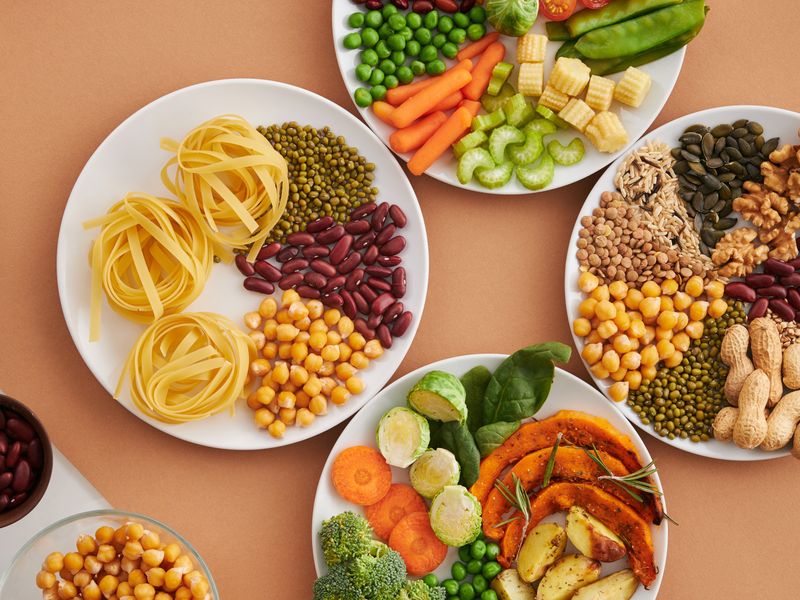
SHOP NOWFor plant-based athletes, the strategy requires more deliberate planning. The best plant-based iron sources include lentils, tofu, tempeh, fortified cereals, pumpkin seeds, dark leafy greens and dried apricots. To maximise absorption, pair these with a source of vitamin C at the same meal. A glass of orange juice, some bell pepper, kiwi or broccoli alongside your iron-rich food can increase non-haem iron absorption by up to three times.
Equally important is what you consume away from iron-rich meals. Tea, coffee and calcium-rich foods significantly impair iron absorption. Waiting at least an hour after an iron-rich meal before having coffee or a calcium supplement is a simple change that makes a measurable difference over time.
Timing Iron Intake Around Training
Given that intense exercise raises hepcidin and temporarily suppresses iron absorption, the timing of iron-rich meals relative to training matters. Research suggests that consuming iron-rich foods or supplements in the morning, on rest days or at least several hours before training results in better absorption than consuming them immediately after a hard session. If you train first thing in the morning, eating your highest-iron meal at lunch rather than immediately post-workout is a practical adjustment worth making.
Supplementation: When Food Is Not Enough
If your ferritin is significantly depleted, dietary changes alone may take too long to restore your levels. Supplementation under the guidance of a healthcare professional is the appropriate step. Standard ferrous sulphate tablets are the most commonly prescribed form in the UK and are effective, though they can cause gastrointestinal side effects including nausea, constipation and stomach cramps in some people.
Ferrous bisglycinate is a gentler chelated form of iron that is increasingly used in sports nutrition contexts. It tends to cause fewer digestive issues and has good bioavailability, making it a reasonable option for athletes who find standard iron supplements difficult to tolerate. Always take iron supplements with water or a vitamin C source and away from calcium, antacids and other minerals that compete for absorption.
Do not supplement with iron without confirmed deficiency from a blood test. Iron toxicity, while uncommon, is a genuine risk, and excess iron is pro-inflammatory. Supplement only when you have evidence that you need to.
Monitoring Progress
Once you have addressed dietary intake or begun supplementation, plan to retest ferritin levels after eight to twelve weeks. Recovery of iron stores takes time, and performance improvements typically lag behind laboratory improvements by a few weeks. Be patient, stay consistent and use your training performance alongside blood markers to track genuine progress.
Many women who successfully restore their iron levels describe the change as significant: sessions that felt punishing become manageable, recovery speeds up and the underlying fatigue that had become normalised simply lifts. That experience is not unusual, and it underlines how much iron status matters for anyone training seriously.
Wearing kit that moves with you during the process matters too. Whether you are back to pushing hard in the gym or easing back into sessions while your levels recover, V3 Apparel's Define collection is built for the kind of training that demands both comfort and support without restriction.
Frequently Asked Questions
What are the signs of iron deficiency in female athletes?
The most common signs include persistent fatigue that does not improve with rest, reduced performance during workouts, higher perceived effort at the same training intensity, slower recovery, breathlessness, brain fog and low mood. These symptoms can be subtle at first and are frequently misattributed to overtraining or poor sleep. A blood test measuring ferritin is the only reliable way to confirm iron deficiency.
How do I get my ferritin tested in the UK?
You can request a ferritin test through your GP. Ask specifically for ferritin to be included alongside a full blood count, as it is not always measured automatically. Some private clinics and online blood testing services in the UK also offer ferritin testing. If your GP declines, you can access private testing for a modest fee through services like Medichecks or Thriva.
What ferritin level is considered low for an athlete?
Standard NHS laboratory reference ranges can allow ferritin as low as 12 to 15 micrograms per litre and still classify it as normal. However, most sports medicine practitioners and sports nutritionists consider ferritin below 30 micrograms per litre to be low for an athlete, and optimal performance typically requires levels of at least 40 to 50 micrograms per litre. If your result falls within the standard range but you feel symptomatic, it is worth discussing athlete-specific thresholds with a professional.
Can you have iron deficiency without being anaemic?
Yes, and this is extremely common in active women. Iron deficiency without anaemia occurs when ferritin stores are depleted but haemoglobin remains within the normal range. At this stage, the body is still producing enough red blood cells to maintain basic oxygen transport, but performance, recovery and energy levels can already be significantly impaired. A standard full blood count alone will not detect this, which is why ferritin testing is essential.
What foods are highest in iron for female athletes?
Red meat, liver and organ meats are the richest and most bioavailable sources of iron. For those who eat meat, including these regularly is the most effective dietary strategy. Plant-based sources with meaningful iron content include lentils, tofu, fortified cereals, pumpkin seeds, dark leafy greens and dried apricots. Pairing plant-based iron with vitamin C at the same meal significantly improves absorption.
Should I take iron supplements if I feel tired all the time?
Not without a blood test first. Fatigue has many causes, and supplementing with iron without confirmed deficiency is not recommended. Excess iron is pro-inflammatory and can cause gastrointestinal issues. If you suspect iron deficiency, get your ferritin tested and act on the results. If supplementation is appropriate, do so under the guidance of a GP or registered nutritionist.
Does running cause iron deficiency?
High-volume running does increase iron losses through several mechanisms: foot-strike haemolysis, where red blood cells are destroyed by repeated ground impact; gastrointestinal micro-bleeding during intense endurance sessions; sweat losses; and post-exercise hepcidin spikes that suppress iron absorption. Runners, particularly those with heavy training loads, should monitor their iron status regularly and pay close attention to dietary iron intake.
How long does it take to recover from iron deficiency?
With consistent dietary improvements and appropriate supplementation, ferritin levels typically begin to recover within eight to twelve weeks, though it can take longer in cases of significant depletion. Performance improvements often follow laboratory improvements by a few weeks. Retesting at the eight to twelve week mark allows you to confirm progress and adjust your approach accordingly.
Please note: The content on The Playbook is for general information and education only and is not medical advice. V3 Apparel are not doctors, physiotherapists or registered nutritionists. Always speak to a qualified healthcare professional before changing your diet, exercise routine or lifestyle, especially if you have a health condition or injury, or are pregnant or postnatal. You exercise at your own risk: stop straight away if you feel pain, dizziness or discomfort. Results vary from person to person and aren't guaranteed. As far as the law allows, V3 Apparel accepts no liability for any injury, loss or damage arising from the use of this content. We're not responsible for the content of third-party websites we link to. Some links may be affiliate links, which means V3 Apparel may earn a commission on purchases made through them, at no extra cost to you.