
Article: Why Stretching Before and After a Workout Matters

Why Stretching Before and After a Workout Matters
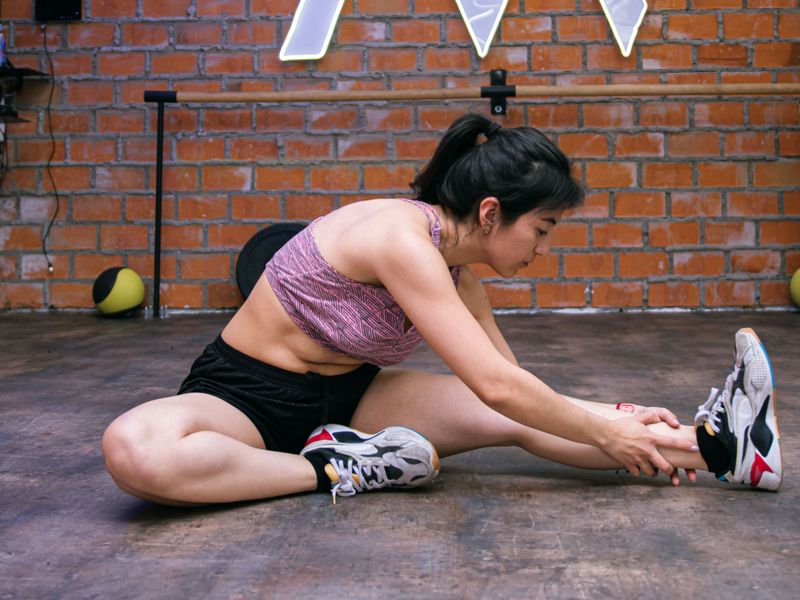
Why Stretching Before and After a Workout Is Worth Taking Seriously
Most women who train consistently have a stretching routine. Far fewer have one that actually works. Stretching before and after a workout is one of the most researched areas in exercise science, yet it remains one of the most misunderstood parts of a training session. The common approach, a few half-hearted quad pulls and a quick forward fold, does not reflect what the evidence actually supports. If you want to perform better, recover faster and reduce injury risk over the long term, your warm-up and cool-down deserve the same attention you give the session itself.
This article breaks down what the science says, what you should actually be doing before and after training and why the type of stretching matters as much as the fact that you are doing it at all.
The Difference Between Dynamic and Static Stretching
Before anything else, it helps to understand the two main categories of stretching and when each one belongs in your session.
Dynamic Stretching
Dynamic stretching involves controlled, repetitive movement through a joint's range of motion. Think leg swings, hip circles, walking lunges, arm rotations and inchworms. The movement is deliberate and progressive, gradually taking the muscle through its full range without holding any single position for an extended period.
Dynamic stretching raises muscle temperature, increases blood flow to working tissues, activates the neuromuscular system and improves joint mobility. Research published in the Journal of Strength and Conditioning Research consistently shows that dynamic warm-up protocols improve power output, sprint speed and overall athletic performance compared to static stretching performed before exercise. This is why dynamic stretching belongs before your session, not after.
Static Stretching
Static stretching involves holding a position at the end of a muscle's range for a sustained period, typically between 20 and 60 seconds. This is the stretch most people picture when they hear the word. Hamstring stretch on the floor, pigeon pose for the hip flexors, doorframe chest opener.
Static stretching performed before high-intensity exercise has been shown in multiple studies to temporarily reduce muscle force production and power output. This does not mean you should avoid it entirely before training, but the timing matters. If you are lifting heavy or sprinting, leading with static stretching is not your best option. Save it for after your session, when the body is warm and the goal shifts from performance to recovery and flexibility development.
Stretching Before a Workout: What You Should Actually Be Doing
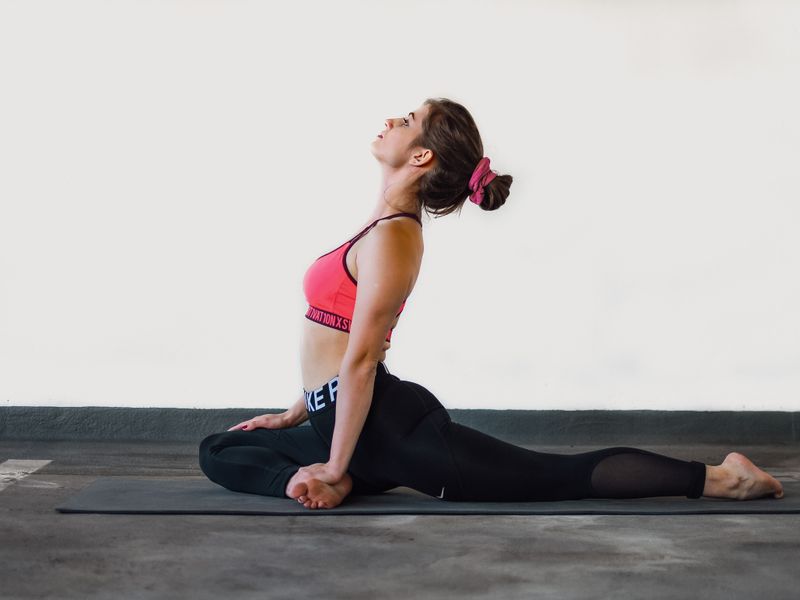
A well-designed pre-workout stretch is not really about stretching in the traditional sense. It is about preparing the body to move well under load. Your pre-session warm-up should do three things: raise core temperature, mobilise the joints you are about to use and activate the muscles that will be driving the movement.
A Dynamic Warm-Up Routine Worth Following
The following protocol works for most training types, from strength sessions to running to Hyrox-style conditioning work. Spend five to ten minutes moving through this sequence before your session begins.
- Leg swings (front to back and side to side): Ten reps each direction per leg. Opens the hip joint and wakes up the hip flexors and glutes.
- Hip circles: Ten reps in each direction. Improves hip mobility and lubricates the joint before loaded movements.
- Walking lunges with rotation: Ten reps per side. Activates the quads, glutes and core while opening the thoracic spine.
- Inchworms: Eight to ten reps. Warms up the hamstrings, shoulders and wrists progressively.
- Glute bridges: Fifteen reps. Activates the posterior chain before lower body work.
- Arm circles and shoulder rotations: Ten reps each direction. Prepares the shoulder joint for upper body pressing and pulling.
- High knees or a light jog on the spot: Thirty to sixty seconds. Elevates heart rate and completes the warm-up phase.
If your session is lower body focused, spend more time on hip mobility and glute activation. If you are training upper body, prioritise the shoulder, thoracic and wrist sequences. Adjust based on what you are doing, not based on what you have always done out of habit.
Stretching After a Workout: The Recovery Window You Are Probably Underusing
The post-workout window is where static stretching genuinely earns its place. Your muscles are warm, pliable and primed for lengthening work. Skipping this phase entirely is one of the most common recovery mistakes active women make and it has real consequences over time.
Why Post-Workout Stretching Supports Recovery
After a training session, muscle fibres are fatigued and slightly shortened due to repeated contraction. Lactic acid and metabolic by-products accumulate in the tissue, contributing to the stiffness and soreness you feel in the hours that follow. Static stretching in the cool-down phase helps to:
- Gradually reduce heart rate and bring the nervous system out of its elevated state
- Encourage blood flow to the muscles, supporting the delivery of nutrients needed for repair
- Reduce post-exercise muscle tightness and improve next-day mobility
- Progressively increase flexibility over time through consistent practice
- Support parasympathetic nervous system activation, which is the state your body needs to be in for effective recovery
A 2021 review in the International Journal of Sports Physical Therapy found that regular post-exercise static stretching contributed meaningfully to improvements in flexibility and reduced delayed onset muscle soreness (DOMS) in trained athletes. The key word is regular. One session will not do much. A consistent habit compounds over weeks and months.
A Post-Workout Static Stretching Routine
Hold each position for a minimum of 30 seconds, ideally up to 60 seconds on particularly tight areas. Breathe through each hold rather than bracing against it.
READY TO TRAIN IN STYLE?
Explore V3 Apparel's seamless activewear, designed for serious athletes and built to perform.
SHOP NOW- Standing quad stretch: Targets the quads and hip flexors. Essential after any lower body session or run.
- Seated hamstring stretch: Sit with one leg extended, reach toward the foot. Switch sides. Critical for runners, lifters and anyone who sits for long periods.
- Pigeon pose or figure four stretch: Targets the piriformis and glute complex. Especially useful after squat and deadlift sessions.
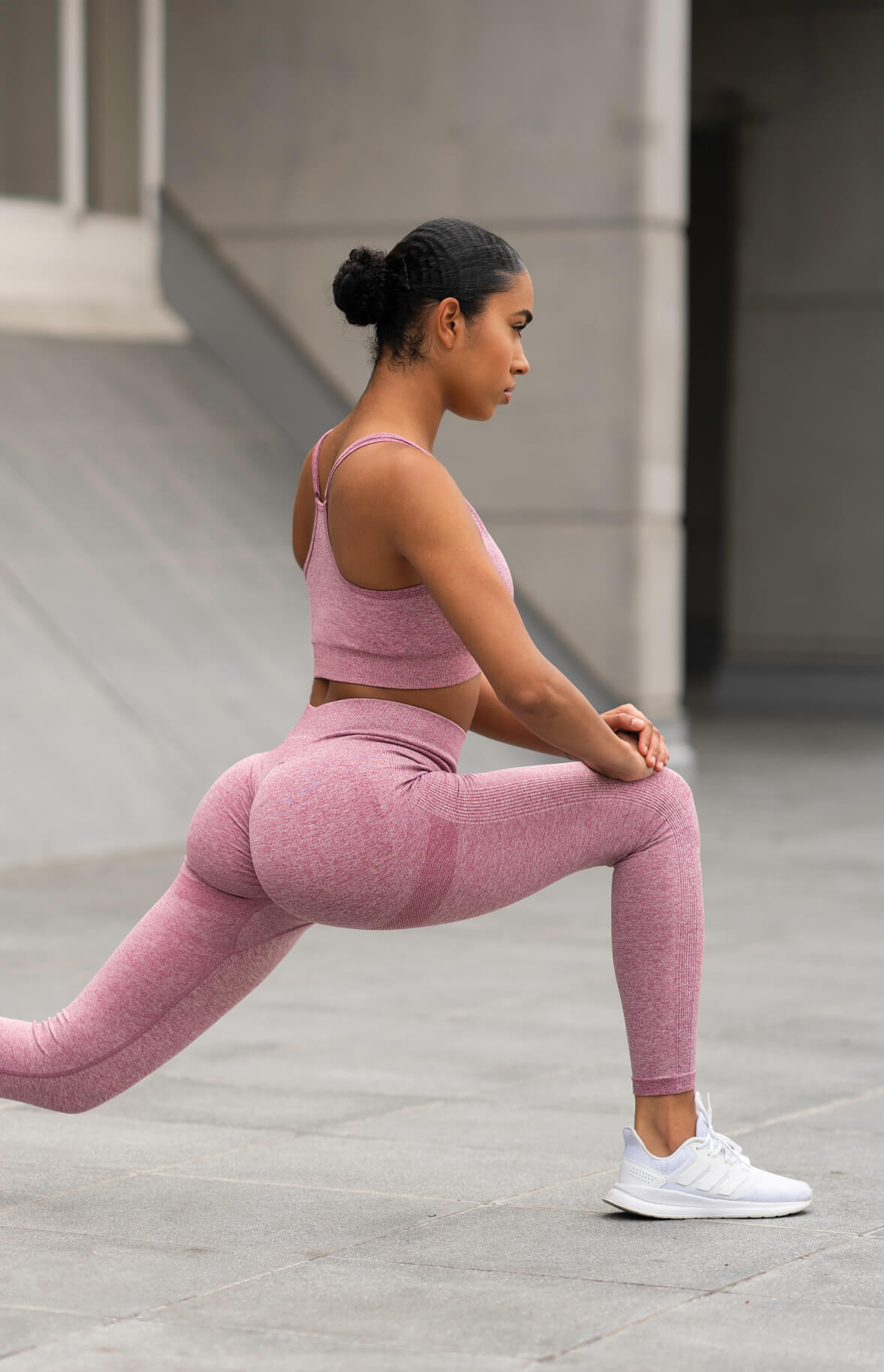
- Kneeling hip flexor stretch: Counteracts the shortening that occurs from both heavy training and prolonged sitting.
- Doorframe or band chest opener: Opens the pectorals and anterior shoulder after upper body pressing work.
- Child's pose: Decompresses the lumbar spine and stretches the lats. A useful full-body wind-down that also encourages diaphragmatic breathing.
- Thread the needle: Thoracic rotation stretch that targets the mid-back. Particularly useful for anyone training with a barbell or doing CrossFit-style movements.
Spend a minimum of eight to ten minutes on your cool-down. If you trained hard, fifteen minutes is not excessive. Think of it as part of the session, not an optional extra that happens if you have time.
How Stretching Affects Injury Prevention Over Time
The injury prevention argument for stretching is nuanced. Stretching alone will not make you bulletproof and no single study points to stretching as the definitive solution to overuse injuries. But consistent mobility work, done correctly and in the right context, does contribute to reduced injury risk through several mechanisms.
First, improved range of motion means your body can move more freely through the positions your training demands. A runner with restricted hip flexors compensates elsewhere, often through the lower back or knee. A lifter with limited ankle mobility cannot squat to full depth without rounding the lumbar spine. Addressing these restrictions through targeted stretching reduces the mechanical strain placed on surrounding structures.
Second, a consistent warm-up protocol that includes dynamic stretching before exercise prepares the musculotendinous unit to handle the forces of training. Cold, stiff tissue is more vulnerable to strain. Warm, activated tissue tolerates load more effectively.
Third, regular post-workout stretching contributes to longer-term flexibility gains that accumulate across weeks and months of consistent training. The cumulative effect of those gains is a body that moves more efficiently, compensates less and sustains fewer soft tissue injuries.
If you are managing a specific injury or rehabilitation programme, the stretching advice here is general rather than clinical. Always work with a physiotherapist or sports medicine professional for targeted guidance.
Common Stretching Mistakes to Stop Making
Even women who stretch regularly often make a handful of errors that reduce the effectiveness of their routine.
Bouncing Through a Static Stretch
This is called ballistic stretching and it triggers the stretch reflex, causing the muscle to contract rather than lengthen. Hold each position steady and controlled.
Stretching Cold Muscles
Static stretching a completely cold muscle is less effective and carries a higher risk of strain. Always complete at least a light movement warm-up before any deep static work.
Holding Your Breath
Breath drives parasympathetic activation and helps the nervous system release muscular tension. Breathe slowly and deeply through every stretch, exhaling into the deepest range.
Only Stretching What Feels Tight
If your hamstrings feel tight, your hip flexors probably need attention too. Muscles work in functional chains. Address the full pattern, not just the symptom.
Skipping the Cool-Down Because You Are Short on Time
If a session overruns, the cool-down is usually the first thing dropped. Build it into your scheduled training time rather than treating it as overflow. Eight minutes of post-workout stretching is not a luxury, it is part of the work.
Frequently Asked Questions
Should I stretch before or after a workout to improve flexibility?
Stretching after a workout is more effective for improving flexibility than stretching beforehand. Post-workout muscles are warm and pliable, which allows them to lengthen more effectively under a static hold. Consistent post-workout static stretching, held for 30 to 60 seconds per position, produces meaningful flexibility gains over weeks and months of regular practice.
Is it bad to do static stretching before lifting weights?
Performing prolonged static stretching immediately before heavy lifting can temporarily reduce muscle force production and power output, which is not ideal before a strength session. A short, light static stretch as part of a broader warm-up is unlikely to cause significant issues, but for performance purposes, prioritise dynamic movements before you lift and save the static work for your cool-down.
How long should I stretch after a workout?
Aim for a minimum of eight to ten minutes of post-workout stretching after most sessions. After particularly intense training, fifteen minutes is more appropriate. Hold each individual stretch for 30 to 60 seconds, focusing on the muscle groups most heavily used during your session and any areas of chronic tightness.
What is the best stretching routine for women who lift weights?
A well-rounded stretching routine for women who lift should include dynamic hip, shoulder and ankle mobility work before the session, followed by static stretches targeting the quads, hamstrings, hip flexors, glutes, chest and thoracic spine after the session. Tailor the emphasis to the day's training focus, spending more time on lower body stretches after leg days and upper body work after pressing or pulling sessions.
Can stretching help reduce muscle soreness after a workout?
Research suggests that regular post-workout static stretching can contribute to reduced delayed onset muscle soreness, though it is not a complete solution on its own. The combination of stretching, adequate hydration, protein intake and quality sleep produces the most meaningful recovery outcomes. Stretching supports blood flow to fatigued tissue and helps bring the nervous system down from its elevated training state, both of which aid recovery.
How often should I stretch if I train four or five times a week?
If you train four to five times per week, you should be stretching every session at minimum. On rest days, a short dedicated mobility or stretching session of ten to twenty minutes can accelerate recovery and improve long-term flexibility. Consistency across the week matters more than the length of any single session.
Does stretching before running actually prevent injuries?
Dynamic stretching and movement-based warm-ups before running reduce injury risk more effectively than static stretching does. Running-specific warm-ups that include leg swings, hip circles and progressive jogging prepare the muscles and joints for the impact and repetitive movement patterns of running. Static stretching on cold muscles before a run is less advisable, but a thorough cool-down stretch post-run supports recovery and long-term tissue health.
What is the difference between mobility work and stretching?
Stretching typically refers to lengthening a muscle to increase its flexibility, usually through static or dynamic holds. Mobility work is broader and refers to the ability to actively control movement through a joint's full range of motion. Mobility training often incorporates strength within that range, using exercises like deep squat holds, hip CARs and shoulder rotations. Both have a place in a well-rounded training programme and they complement each other effectively.
Please note: The content published on The Playbook is intended for informational and educational purposes only. V3 Apparel are not doctors, medical professionals or registered nutritionists. Always consult a qualified healthcare professional before making changes to your diet, exercise regime or lifestyle, particularly if you have an existing health condition or injury.